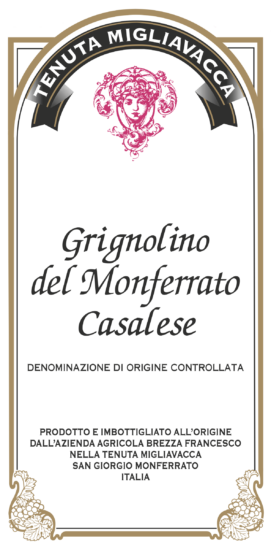
TENUTA MIGLIAVACCA
Grignolino del Monferrato 2025
Piedmont, Italy
Grignolino from vines up to sixty years old planted over clay and sandy marl. The grapes were destemmed and spent just four days on the skins, before being pressed to large oak casks to rest until spring. Pale ruby red, this sees Monferrato’s curious, emblematic variety at its very best, with crisp red fruit, neat tannins and a cascade of bitter herbs offering no shortage of intrigue.
Grignolino
ABOUT THE PRODUCER
Tenuta Migliavacca was founded by Francesco Brezza’s grandfather in 1921, though grapes have been grown here since the early 1700s. The farm has always been known for the high quality of its sfuso, which was sold in demijohns to clients all over Italy and often exchanged for chestnut wood, which was used to make the large wooden casks in which the wines are stored.
By the 1960s Francesco’s father Luigi was at the helm. Like many farmers, he was encouraged to introduce systemic products to make work in the fields more efficient, but having quickly noticed a decline in the health of the soil, vines and those who worked amongst them, he returned to organic farming and began the search for something more.
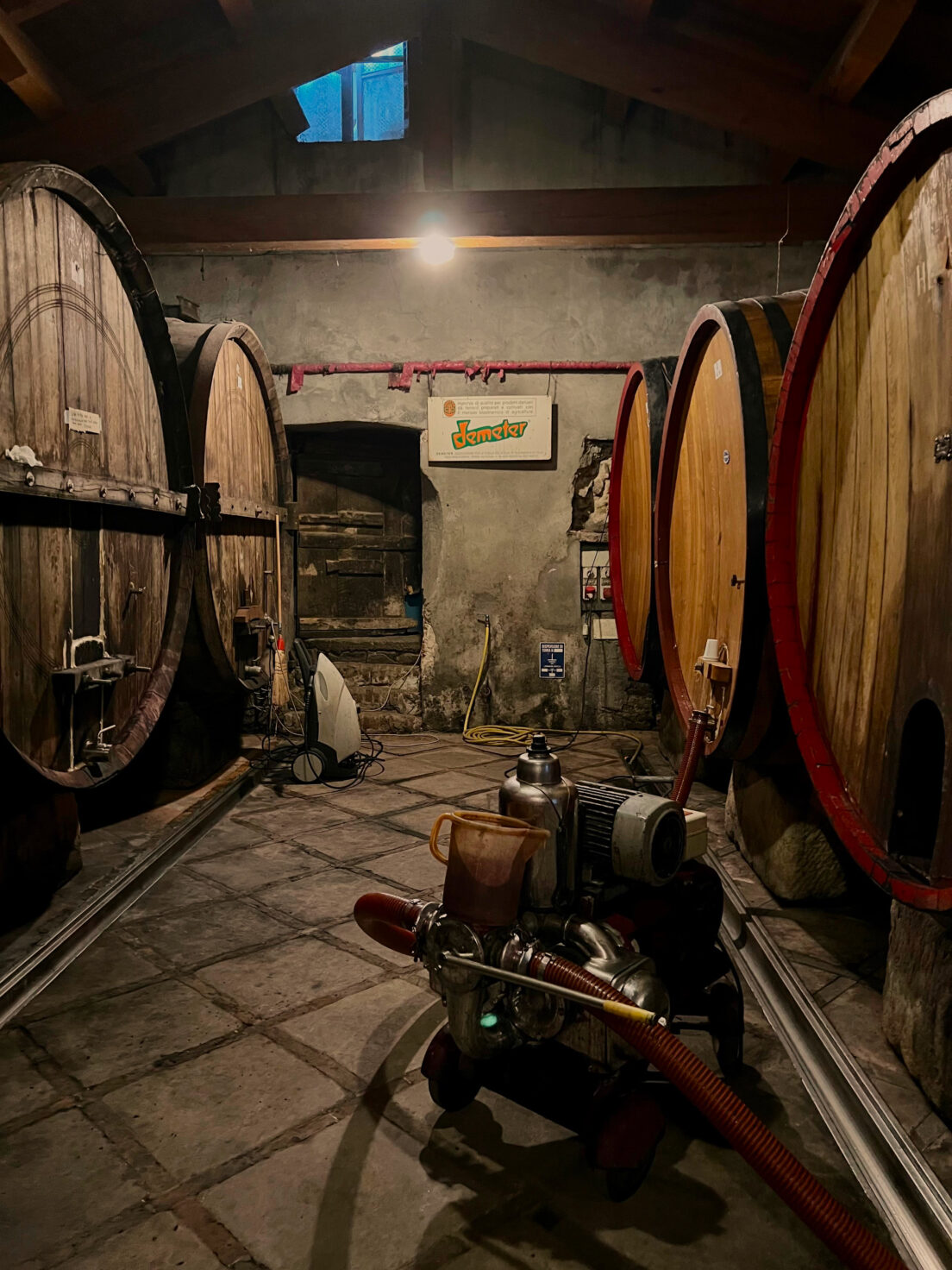
A true pioneer, Luigi and a small group of like-minded friends were the first in Italy to apply biodynamics at a time when it was almost unheard of in these parts. By the mid-sixties he’d begun turning the farm into a place of entirely self-sufficient, closed-loop agriculture, introducing a few dozen cows for grazing, and sowing a wide variety of grains. In 1972 he obtained Demeter certification, becoming the first winery in Italy to do so, and a mentor for others who’d follow a similar path, including a young Stefano Bellotti of Cascina degli Ulivi.
Today Francesco continues his father’s legacy, working in the same spirit whilst responding to the changing needs of the plants in an era of climate change. Biodiversity is key, and of the farm’s fifty hectares, only ten are planted to vine, with the remainder kept as forest and open fields for cows and crops, or used for beekeeping and their vegetable gardens.
Barbera, Freisa and Grignolino are grown on vines up to sixty years old over gentle slopes of clay and marl. In the vineyards, they work almost entirely by hand, with a focus on soil health, in order to produce the kind of grapes needed to make wines which seek to nourish as much as they do please.
In the cantina they work just as they always have, fermenting and ageing the wines in large old wooden casks and bottling them unfiltered in the spring. The resulting wines capture the essence of Italian vino da tavola. They are decidedly old-fashioned, pure, wholesome and full of charm.